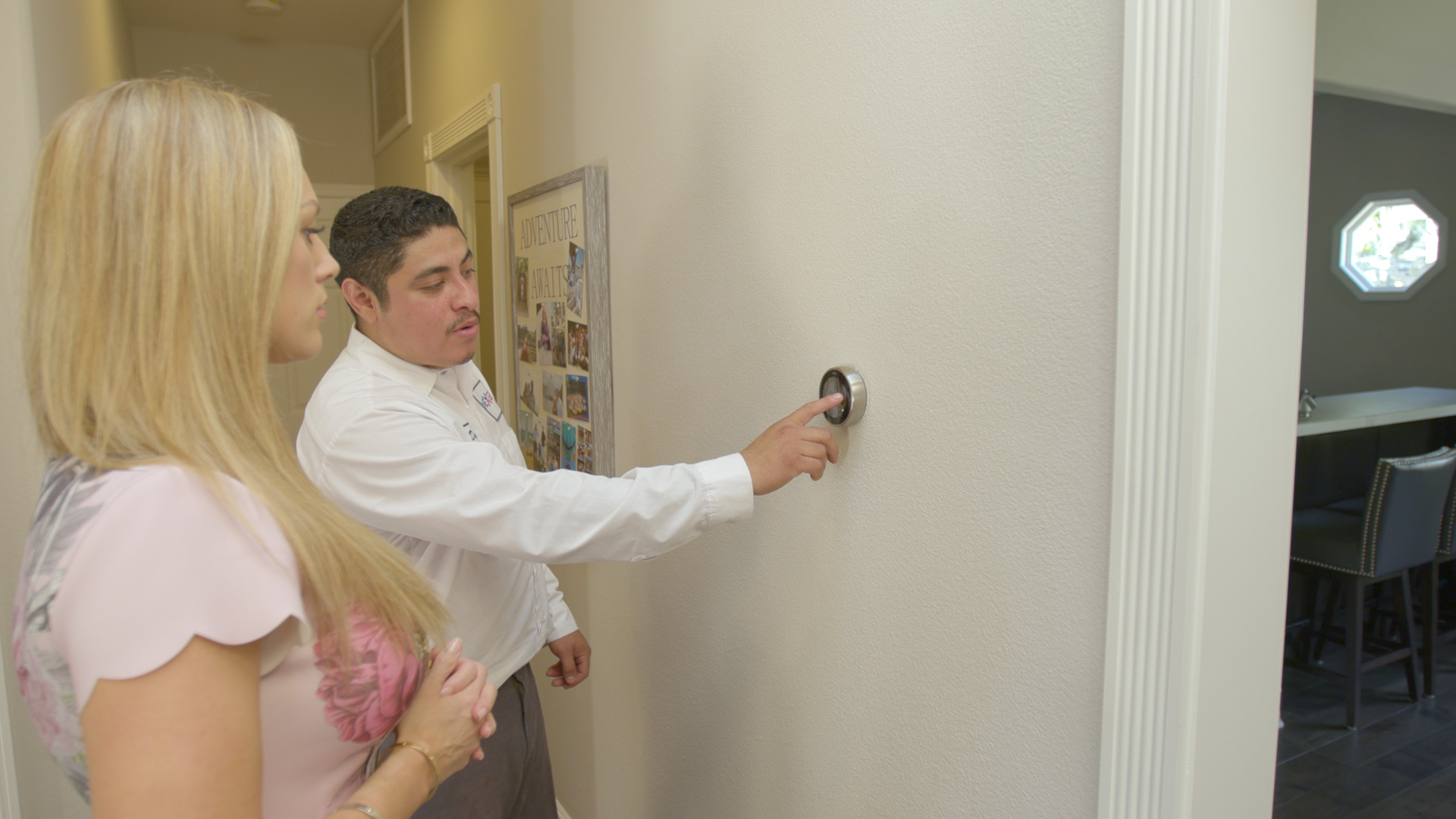
HVAC not working? How to troubleshoot HVAC problems
When warm weather hits and the heat is on, the last thing you want is for your air conditioning to be off. It’s essential to maintain steady comfort in your building to keep your residents content. Here are some of the most prevalent problems that you can avoid by following common sense operational procedures and with routine residential air conditioning maintenance.
The AC Won't Turn On
At the top of your list of fears when you initiate your air conditioning troubleshooting review might be that you’ll turn on the system and hear nothing and feel nothing. The lack of power could be something as simple as a blown fuse or a tripped circuit breaker, which means you’ll have to reset the circuit breaker or replace a blown use. It also could be the result of broken or loose wiring or thermostat problems.
Thermostat Glitches
If your thermostat is not working or if it is incorrectly calibrated, it may not tell the air conditioner to turn on. If you have set your thermostat to the lowest temperature setting and the system still does not start, it’s probably time to call your HVAC repair technician, who will likely have to recalibrate or replace the thermostat. The older, dial-type thermostats are more often subject to calibration problems, but sometimes the newer programmable thermostats are not easy to program. When doing air conditioning troubleshooting, you should consult your thermostat manual to make sure you have programmed your thermostat properly.
Air Conditioner Problems Are Not Cool – Low Refrigerant Equals Low Efficiency
While air conditioning troubleshooting uncovers an under-performing unit, that can be the result of low refrigerant. If the refrigerant level is low, it usually means it was either undercharged at installation or it has a leak. If you notice your building is not cooling properly or the air is somewhat sticky, a low refrigerant level could be the culprit. Without the right refrigerant level, heat and humidity cannot efficiently be removed from the air. The refrigerant is the lifeblood of your air conditioning unit and is akin to the motor oil in your vehicle.
Although your AC technician might discover a leak during the air conditioning troubleshooting process, unfortunately it’s not usually a matter of just topping off the refrigerant. When a vehicle frequently needs oil, it’s usually a sign of a bigger problem. Likewise, with an air conditioner system, low refrigerant is often the sign of a leak and you will need a qualified HVAC expert to fix it. If multiple leaks are detected, it’s possible that you may need to replace the unit.
Condenser Problems Will Heat Things Up
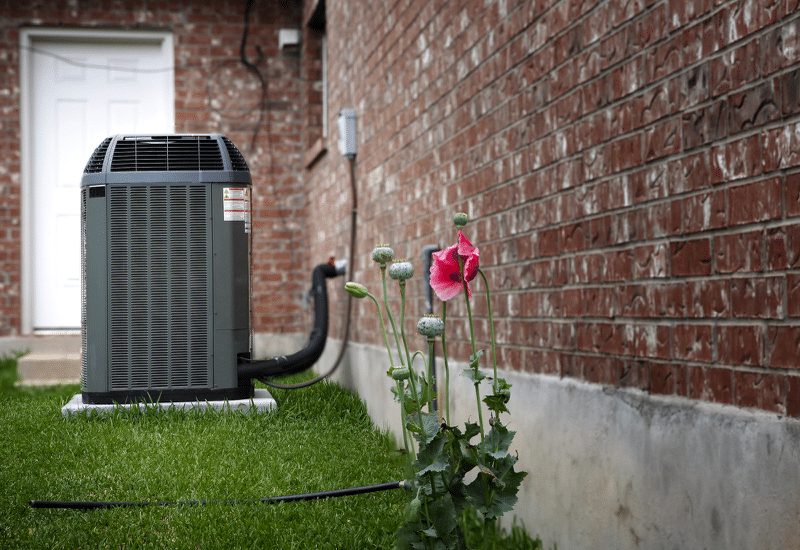
When drawing up an air conditioning troubleshooting plan, don’t forget to look at the condenser coil. The condenser has an important job to do. It is responsible for discharging the heat removed from the air by releasing it outside of the building. The condenser coil is part of your outdoor unit, which means it’s exposed to dirt, soot and assorted pollutants that make it grimy. If the coils are dirty, it will interfere with the transfer of heat and make your unit worker harder and add to the wear and tear on your system.
It's Getting Hot In Here – Ironically Could Mean A Frozen Evaporator Coil
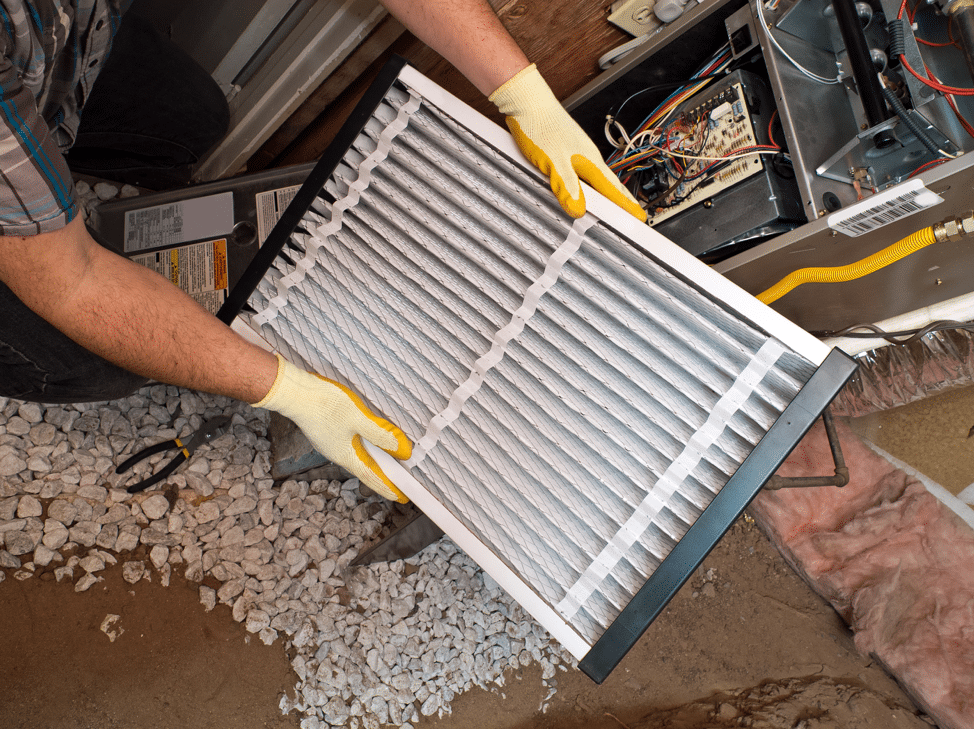
While embarking on your air conditioning troubleshooting mission, you should consider that your evaporator coil is the reason for warmer temperatures than you would like. This coil contains refrigerant that absorbs heat. When airflow is diminished, a layer of ice can form on the evaporator coil. If this occurs, you could end up with warm air or no air from your air conditioner supply registers. The restricted airflow could be the result of dirty air filters, low refrigerant or obstructed return air in your ductwork, which brings us to our next problem to look at when you’re conducting your air conditioning troubleshooting project.
Call NexGen Today
Our expertise and commitment to customer satisfaction make us the leading HVAC company in Southern California. To learn more about our equipment, services, and protection plan, book an appointment online or call 888-277-0415.
How To Cool A Room With Heat Radiating From The Wall?
On a sweltering summer day, is your home unbearably hot? Do you find it virtually impossible to sleep? Do you settle for band-aid solutions like letting your air-conditioner run non-stop while saying that you’ll “just deal with” the energy bills when they come?
Make your home a cool haven with these 5 tips for keeping your home naturally comfortable without the need for extra air-conditioning.
1. Gaining Hot Air, Losing Cool Air
Does your home quickly become hot again as soon as your air-conditioner thermostat switches off? Draught is invisible and can be responsible for up to 50% of your expensive heating and cooling being lost to outside. This can happen through gaps in doors, windows, architraves, wall vents and more!
What to do about draught: Real Draught Proofing goes beyond door snakes and sticky foam seals. Seek professional, architectural solutions to properly and permanently seal your home. This will help you to control your home’s ventilation and reduce your air-conditioning bill.
2. Heat Coming in via Your Windows
Do you feel the radiant summer heat coming in through your glazing despite having your blinds and shading in place? Glass is an excellent conductor of heat, and if your windows are single glazed, heat will be radiating into your home and making it hot and uncomfortable.
What to do about your windows: Don’t worry, you don’t have to replace your windows. Secondary Glazing or (retrofit double glazing) is a great alternative to double glazing, it delivers all the same thermal benefits without needing to replace anything. Remember to choose a secondary glazing system that still allows your windows to open and close as they did before so that you can take advantage of that evening breeze!
3. Heat Pushing Down from the Roof Space
As your roof space heats up, heat is pushed down through the ceiling into your home, you may even feel it building up overhead. The heat from the sun is stored in your roof tiles and ceiling space and continues to heat your home, not allowing it to cool down overnight and making it very uncomfortable inside.
What to do about a hot ceiling: Ceiling Insulation is the most important insulation in your home. Many of us believe we have it but often it isn’t enough, or it has moved over time. Consider augmenting your existing ceiling insulation with something that is non-allergenic, moisture and rodent resistant and maintains its shape long-term.
4. Heat Rising Up from Below
If your home is built off the ground, (e.g. on stilts), you’ll be aware that hot air can build up under your floor, rising through your floorboards and heating your home from below.
What to do about heat coming in under the floor: Properly insulating under your floor will prevent heat entering your home from underfoot. For the best possible results, ensure you use a high-quality polyester insulation, stapled firmly and permanently beneath the floor.
5. Heat Radiating Through Your Walls
Uninsulated walls conduct heat into your home extremely easily, especially if you’re in full sun. If you have brick walls, you’ll know how hot those bricks can become when the sun starts to heat them up. This heat is stored in the brick and continues to push itself into your home making it very hot and night and hard to sleep comfortably.
What to do about heat coming in through your walls: Retrofit Wall Insulation can be applied to weatherboard and brick walls, it’s pumped in via a hose to ensure it can be filled to the brim for optimum coverage and effectiveness. This insulation creates a protective barrier between the hot outside sun and a cool and live-able interior space.
Call NexGen Today
Our expertise and commitment to customer satisfaction make us the leading HVAC company in Southern California. To learn more about our equipment, services, and protection plan, book an appointment online or call 888-277-0415.
5 Advantages of Ductless AC Systems
Most people have heard of ductless cooling and heating systems, and they have probably seen the small, indoor devices installed high on walls in homes, restaurants or office buildings. But what do you really know about these systems?
1. They Offer Highly Flexible Solutions
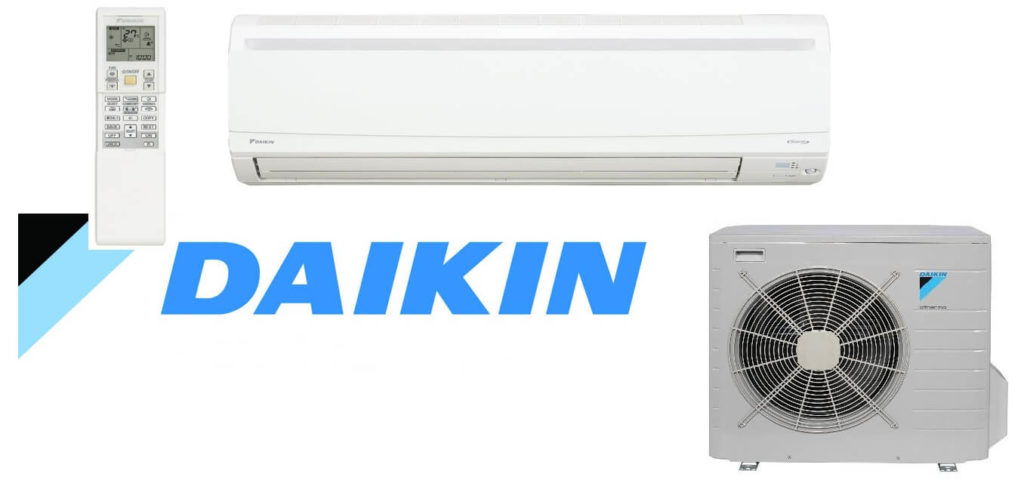
Whereas traditional heat pumps and central air conditioning systems force cooled and heated air through ducts, ductless systems deliver air directly into different zones. They are comprised of a small outdoor unit and one or more indoor units that require nothing more than mounting capabilities and access to electricity.
Sometimes referred to as split systems, multi-split systems, or split-ductless systems, ductless cooling and heating offers home and business owners a cost-effective way to replace inefficient window units, space heaters and electric baseboard heaters. They can be installed in home additions, new construction, condominiums and apartments, or to improve temperature control in specific rooms. Ductless systems can even be fit for buildings that currently use ducted forced-air systems.
2. They Save You Money
One of the biggest reasons why homeowners switch to ductless cooling and heating is overall cost savings. In recent years, utility costs across the country have skyrocketed. When a home’s temperature depends upon an inefficient system, monthly bills can quickly climb out of control. Ductless systems operate on less power – they are smaller than traditional forced-air systems, and because the temperature-controlled air is delivered directly into a room, there is no loss in efficiency. Multi-split systems also allow homeowners to create “zones” in their home, which means they no longer have to cool or heat rooms that aren’t occupied.
In addition to saving money on utilities, homeowners may also be eligible for tax credits or utility rebates for the year they install a ductless system. There are many programs at the federal, state and local level that allow homeowners and businesses to take advantage of these additional savings.
3. They Improve Indoor Air Quality – Happy Breathing!
Often, the quality of indoor air can be lower than the quality of outdoor air. With traditional HVAC systems, air ducts must be professionally cleaned on a regular basis, and even after cleaning, dust and allergens are left behind. Ductless systems, on the other hand, offer multi-stage filtration that can drastically reduce dust, bacteria, pollen, allergens and other particulates in the air.
4. They Are Quick and Easy to Install
Installing a traditional, ducted system can take several weeks and disrupts daily activities in the home. Ductless systems are far less invasive to install and depending upon the number of indoor and outdoor units required, can be up and running in as little as one day.
Multi-split systems run on small pipes that require a mere three-inch hole. That means homeowners don’t have to worry about rebuilding walls or ceilings around ductwork and there is no loss of precious square footage.
5. Ductless Cooling Lowers Your Carbon Footprint
The small size of a ductless cooling system and its zoning capabilities allows for greater energy efficiency. Ductless cooling and heating systems follow ENERGY STAR guidelines, which means they are far more energy efficient than the minimum standards set forth by the U.S. federal government. Improved efficiency saves money, of course, but it also helps reduce your total carbon output.
Additionally, ductless systems take advantage of advances in chemistry to reduce effects on the environment. Ductless systems use a refrigerant called R410A, which is known for its zero-ozone depletion potential. This means the system will have less impact on the environment throughout its lifecycle.
Ductless cooling and heating systems are energy efficient, environmentally friendly and completely customizable. They offer homeowners the ability to cool and heat specific zones of their home to the exact temperature they desire, providing consistent and exceptional year-round comfort.
Call NexGen Today
Our expertise and commitment to customer satisfaction make us the leading HVAC company in Southern California. To learn more about our equipment, services, and protection plan, book an appointment online or call 888-277-0415.
Is a Higher SEER Better?
A SEER rating is a maximum efficiency rating for your air conditioning or heat pump equipment. This means that although the SEER rating displays a certain number, it is not always working at that number – the advertised SEER rating is simply the maximum level of efficiency it can operate at.
Think of it like MPG in your car, it may have been advertised at 30 MPG but maybe you accelerate a little too often and you really average 20 MPG. Apply this concept to your AC unit and you can see how constantly changing the temperature in your home can result in a decrease in efficiency and a suboptimal SEER rating.
Are high SEER ratings worth it?
The most common sales pitch for high SEER AC units is “this unit will pay for itself in 10 years!”, or something along those lines. That high SEER rating is the MAXIMUM level of efficiency, it is the limit of your AC unit. This means that if you live in an area with major swings in temperature you are not going to get that SEER rating. In fact you probably won’t get anywhere close to it.
This is especially true in the desert where you may be turning on your heat at night to combat the steep temperature swings. The reason for this is multi-faceted but the major things are insulation and heat sinks. Your insulation is designed to keep your home either warm or cool, this sounds like a great concept and it is, except when you have 50-degree nights and 90-plus-degree days. All of the items in your home including that insulation is going to hold onto and begin to release that heat throughout the day, this is going to cause your AC unit to have to work harder in order to cool your home, which decreases its efficiency. This can be compounded by a lack of shade or air movement around your home. This means that the fan has to run more often in your outdoor unit.
“Air conditioner manufacturers provide a time delay setting on most new equipment as a means of increasing the SEER rating,” Proctor has written. “The delay is timed to maximize performance on the SEER test, not to provide maximum benefit in dry climates. The 90-second delay commonly used by manufacturers … produced [only] a 3% improvement in sensible SEER [in California’s central valley].
What this means for people in desert climes is that there is very little need to have a high SEER unit. Another thing to consider is that the SEER rating is based off of an AHRI match system, so while you may have a “20 SEER” AC installed in your home, it’s really more like 14 SEER once you take into account that your furnace and coil are not matched to the outdoor unit and are therefore not working at maximum efficiency. So is a high SEER AC unit worth the money? Yes, if you are going to have an entirely new HVAC system put into your home it is worth the extra money.
Call NexGen Today
Our expertise and commitment to customer satisfaction make us the leading HVAC company in Southern California. To learn more about our equipment, services, and protection plan, book an appointment online or call 888-277-0415.
Ductless Mini-Split Myths Busted
Myth 1: Ductless Air Conditioning Units Are Only for New Construction
There is a lot of confusion out there about which homes are ideal for ductless air conditioning. You may believe that you can only put these units into new construction. While mini-split ductless air conditioning units are great for well-insulated, newly built homes, they can also be used in existing houses. These units are easy to install and require very little space, making them an excellent choice for homeowners who wish to upgrade or add a brand new cooling system without installing duct work.
This is great for homeowners who have built a room addition that does not have duct work or whose home does not have centralized air at all. If you own an especially old home or you live in specific parts of the country, there may be no centralized cooling in the house at all. Retrofitting your house with a whole-home air conditioning system can be difficult in older homes and can also be costly. If you want more control over the climate in individual rooms in your home, smaller units can help. You can make your home — no matter when it was built — a more comfortable place to live with a mini-split air conditioning unit.
Myth 2: Ductless Air Conditioning Units Provide Uneven Cooling
If you are looking at a ductless air conditioning system, you might have heard they provide uneven cooling in your room or home. This may be true for window units, but it is not so for mini-split ductless air conditioning units. They may work differently than a traditional system but they still distribute air evenly throughout your home.
When you install a window air conditioning you may notice a large discrepancy between the temperature near the unit and several feet away. This is not the case with a ductless system. You should be able to enjoy the same level of comfort throughout your home when you opt to install one of these units.
Myth 3: Mini-Split Air Conditioning Units Are Bad for Air Quality
Another example of ductless air conditioner myths is the belief that these types of units are bad for the air quality inside your home. Many people believe that ductless air conditioning units collect and circulate bacteria or spread dust into your room or home. This myth is particularly harmful because these units actually contain filters and other self-cleaning functions to purify the air.
The filters collect and trap dust, dirt, spores and anything carrying bacteria and other contaminants. Some mini-split air conditioning units even clean the air better than traditional ducted systems or window units. With a traditional system, cleaning contaminants out of the duct work can be complicated and expensive. You can easily clean your mini-split unit’s filter with soap and water.
Myth 4: Ductless Units Eliminate Energy Losses
There is a myth that the absence of duct work in a mini-split unit eliminates energy loss. When you consider installing a ductless air conditioning unit, you should know that while there are no duct losses, other types of energy loss may occur. However, these losses are usually significantly less than the duct losses in a traditional system. This makes mini-split units an energy efficient alternative to installing or upgrading a whole-home cooling system.
If your older unit is broken or inefficient, or if your home has no air conditioning at all, it can be cost effective to install a mini-split air conditioning unit instead of a traditional system. The smaller, newer unit will usually be more efficient than ones that are older or original to the home. This can equal monthly savings on your energy bills.
Myth 5: Installation Costs of Ductless Units Are Significantly Less
One of the more prevalent ductless air conditioner myths is that installing mini-split ductless air conditioning units is cheaper overall than updating or installing a traditional whole-home air conditioning system. While this may be true if you live in a smaller home or only wish to add air conditioning to a room addition or a modified part of the home that has no duct work, if you have a larger home, you may not be saving as much as you think, if any at all. If your home 2,000 square feet, you may find that it costs more to install multiple mini-split units than it would to replace your ducted air conditioning system. Before you decided on the air conditioning system for you, you must assess the needs of your home in particular.
No matter if you choose to replace your traditional heating and cooling system or you decide to install mini-split air conditioning units throughout your home, it is important to be well-informed first. Doing your research and asking questions will make you more comfortable with whatever purchase you make.
Call NexGen Today
Our expertise and commitment to customer satisfaction make us the leading HVAC company in Southern California. To learn more about our equipment, services, and protection plan, book an appointment online or call 888-277-0415.
Window Air Conditioner Maintenance Checklist
The window air conditioner offers an efficient, convenient means to cool a room or two in your home. Properly maintaining your air conditioner will improve efficiency, reduce energy consumption and prevent costly repairs and downtime. Before performing any maintenance or repair work, be sure to review your air conditioner's owner's manual for instructions.
1. Clean the air filter monthly
On most models, the air filter is easily accessible by removing the front panel. Remove the filter and clean it gently with a combination of warm water and dish soap or white vinegar. Let the filter air dry completely before reinstalling it. These should be cleaned once per month during the cooling season. If you have pets or allergies, consider cleaning it more frequently. If the filter has tears, holes or other damage, it should be replaced. If your unit has a foam filter, you can purchase replacement electrostatic filter material and cut it to accommodate the exact size of your model.
2. Check for insect/animal nests
If you've left your air conditioner uncovered in your window or wall over the winter, you'll need to check for wasp and bees' nests inside of the unit. Avoid problems with this in the future by storing your window air conditioner in a protected area such as a basement or utility room during the off season. If you must leave your AC in the window, use an air conditioner cover.
3. Clean the condenser coils once per season
Over time, dust and dirt will build up on the inside of the air conditioner's condenser coils. This build up will require your AC to work harder to remove heat – increasing energy consumption and your monthly electric bill.
At the start of every cooling season, clean the condenser coils. You'll need to remove the air conditioner cabinet completely in order to access the coils. They can be cleaned by blowing compressed air at them or by using a soft bristle brush and a spray bottle of household cleaner to wipe the dirt off.
Take great care in removing the dirt. If you accidentally bend or dent the aluminum coil fins, use a handy fin comb to straighten out the fins.
It is also important to remove dirt or lint build up at the bottom of the air conditioner so the condensate water will be picked up by the condensing fan blade slinger properly.
4. Inspect cooling coils for frost or ice buildup
If the temperature outside the room where the air conditioner is placed becomes cool (approximately 60 degrees Fahrenheit or 15 degrees Celsius or lower), check the coils on the front of the air conditioner for icing. Ice buildup on coils means the temperature is too low for proper operation of the unit. You should use it only when the outdoor temperature rises above 60 degrees Fahrenheit or 15 degrees Celsius.
By following these four simple maintenance tips, you can save yourself a lot of discomfort and money, ensuring your window unit works all summer long.
Call NexGen Today
Our expertise and commitment to customer satisfaction make us the leading HVAC company in Southern California. To learn more about our equipment, services, and protection plan, book an appointment online or call 888-277-0415.
HVAC Basic
Whether keeping your home cozy in the winter or cooling your office in the summer, HVAC systems are a part of everyday life.
Your HVAC (heating, ventilation, and air conditioning) system is the system or combination of system used to provide a comfortable temperature in your home and maintain high levels of air quality. As a homeowner, it is important to understand the key roles your HVAC system plays and how they operate to get the most out of your system.
Heating
The heating component of your HVAC system provides a warm climate for your home in the cooler months of the year. Today, the most popular type of heating system is the forced air system, but many homes also use radiant heat systems and geothermal heating systems, among others. In all the systems, heat is created at a central source and distributed through the home via different means.
Forced Air
These systems use a furnace to heat the air and then disperse it through the house via ductwork and in-room vents.
Radiant heating systems
These use heating stoves or a boiler to disperse heat through the house via a network of electric heating coils or hot water tubing installed in the floor or ceiling.
Ventilating
Your HVAC system plays a vital role in maintaining your home’s indoor air quality. Ventilation helps circulate and purify air, control moisture levels, remove unwanted smells, and prevent air stagnation.
Depending on the age of your home and the HVAC system you have, this may be done either mechanically, naturally (via fans and windows), or through a combination of the two.
Forced air systems, discussed above, pass the air in your home through an air filter to keep airborne particulates, volatile organic compounds (VOCs), and allergens out of your home. If you do not have a fixed air system, this can also be done using tools like air cleaners, air purifiers, humidifiers, and dehumidifiers.
Understanding how your system keeps your home ventilated is the first step to addressing any breathing or allergy issues you and your family may be encountering throughout the year.
Air Conditioning
Your HVAC system is also in charge of keeping you cool during the warmer months. There are several several types of AC units, each with their own pros and cons. Whether you have central air (used in conjunction with forced air systems), split or ductless AC units, window AC units, or portable AC units, the process that each system uses to cool your home is similar.
Your AC system circulates refrigerant that changes from gas to liquid as it collects and expels heat from your home. It passes warm vapor refrigerant through the compressor where it becomes hot refrigerant vapor and moves to the condenser. Here, the hot vapor is cooled as air from the condenser fan passes over finned coils and turns into hot liquid. The hot liquid passes through the expansion valve that creates a low pressure, cool liquid mist that runs through the evaporator coil.
As the cooler liquid mist evaporates, it absorbs heat from your house’s inside air and returns it to the compressor (restarting the process). This absorbed heat is pushed outside by the system, resulting in a cooler home.
Now that you understand the roles your HVAC system plays in your life, you will be better prepared to maintain your system, learn more about your system, determine what your system is missing, and purchase a new system if the time comes.
Call NexGen Today
Our expertise and commitment to customer satisfaction make us the leading HVAC company in Southern California. To learn more about our equipment, services, and protection plan, book an appointment online or call 888-277-0415.
3 Desert Air Conditioning Tips
When 110 degree weather is a normal occurance, you know you live in Palm Springs. Sure, that desert heat is great for a day out at the pool, but keeping your home cool can become a nightmare.
Don’t worry:
We’ve created a list of the top 3 desert air conditioning tips you need to know to keep your AC working right, and keep your home cool without breaking the bank.
#1 Change Your Air Filter More Often!
The recommended air filter maintenance you hear about from other sources are for ordinary environments. When you live in Palm Springs, Palm Desert, or anywhere else in the Coachella Valley, you need to adjust your air filter maintenance accordingly. The Coachella Valley is windy, and that hot wind carries a lot of dust.
Think about it:
Your AC is filtering out all that desert dust to keep the air in your home pleasant to breathe, every single day! Tack on 100+ degree weather, and your AC is working really hard to keep you happy! Pay it forward by replacing your air filter more than once per year. In fact, we recommend you change your air filter every season. Extreme desert weather calls for a new air filter at least once every 3 months.
Your AC unit will thank you, and you’ll be much happier knowing your AC is working efficiently. You may want to also invest in a high quality air purifier for even higher quality air in your home!
#2 Make Sure Your AC is Getting Proper Air Flow.
Have you ever felt short of breath?
That’s what your AC is feeling when the outside unit is covered in dirt and debris.
When was the last time you checked your outdoor AC unit?
We’re willing to bet that it’s been a while. Go out back and really inspect your AC condenser (that’s what the outdoor part of your AC is called).
You may be surprised!
If you went ahead and checked your AC right now, you may be surprised as to all the junk you found lodged in the grates.
That’s right!
All that junk is blocking your AC’s air flow which is pretty bad for your AC unit’s lifespan and efficiency. Factor in the extreme desert heat and you’ve got a recipe for a broken air conditioner.
#3 Don’t turn off your AC!
Have you ever heard of the saying, “it’s hard do get a train going, but once it does, it’s hard to stop?”.
That train is your AC unit! It’s much, much easier on your AC unit to maintain a constant temperature throughout the day than to cool the house on and off. In a way, you can call this temperature momentum. Once the house is cooled down to your desired temperature, you home’s AC has a lot of momentum going and it doesn’t have to work as hard. In Palm Springs where inside temperatures can reach over 100 degrees, it can cost a fortune trying to pull the temperature back down to 70 all the time. Set it to 68-78 and keep it there! If you want the most bang for your buck, check out these cool Nest thermostats!
Call NexGen Today
Our expertise and commitment to customer satisfaction make us the leading HVAC company in Southern California. To learn more about our equipment, services, and protection plan, book an appointment online or call 888-277-0415.
HVAC Tips: The Only HVAC Maintenance Checklist You’ll Ever Need!
Look:
If you’ve been juggling information from a bunch of HVAC maintenance checklists looking for answers to your leaking furnace or dead AC unit, but all you’ve ever found was a generic blog that ended with a sales pitch, we totally understand your pain.
It seems like all these HVAC tips and tricks blogs aren’t even written by certified HVAC technicians (spoiler alert - they’re not).
We get you:
We’re here to help you (actually help you) with your HVAC issues. Sometimes, there’s an emergency that needs to be patched up right away and you don’t have time to call an HVAC contractor. Other times, you’re just fighting with the darned thermostat to get it to the right setting.
Wherever you are in your HVAC journey, we’ve got you covered. But…
Before we get started:
We’ve broken down this list of HVAC tips and tricks by category so that you can find the exact answer to your air conditioning or heating questions. The first half of this HVAC maintenance checklist is broken up by where you are in life (beginner, homeowner, renter). The second section consists of seasonal HVAC tips to help you figure out the best time of year to perform preventative maintenance. Finally, we included some tips for technicians to best serve their customers.
Side note: You’ll notice everything is branded “NexGen”. Don’t worry, this isn’t an HVAC sales pitch, we’re just really proud of our Orange County HVAC company. You wouldn’t believe how many people are out there that would steal your photos and content so we’ve got to be cautious.
Without further adieu, here’s our comprehensive list of the only 31 HVAC tips and tricks you’ll ever need to know:
HVAC Tips for Beginners
Here’s a pet peeve:
People who assume you’re an expert. Yeah, at NexGen Air, we’re expert HVAC technicians, but we understand that not everyone is. We’re going to start this section off with the fundamentals for all of you HVAC beginners out there.
Disclaimer:
This is for true HVAC beginners who have never had to deal with an HVAC issue. If you already know what a furnace looks like or where to find your ductwork, please skip ahead to the more technical HVAC tips and tricks.
#1 What does HVAC stand for?
HVAC stands for heating, ventilation, and air conditioning.
#2 What are the components that make up an HVAC system?
There are 9 basic components that make up a complete central air and heat system. These components are the furnace, the heat exchanger, the evaporator coil, the condensing unit, refrigerant tubes, the thermostat, the ductwork, the vents, and the heat pump. (Don’t worry! We’ll explain these parts in detail further down the list.)
#3 What is a Furnace?
The furnace is your heating unit. Furnaces usually run off electricity or natural gas. There are pros and cons to both, but we’ll cover that in another section. You can find your furnace hiding in your basement, garage, or utility closet. Your furnace’s main function is to heat up air and move it into your ducts to warm your house. (Fun fact: Furnaces are commonly mistaken for boilers, but they’re totally separate appliances).
Here's a great example of a brand-new Lennox furnace in a utility closet.
#4 What is a Heat Exchanger?
This is not part of your furnace although you can find it nestled inside your furnace. While the furnace pushes hot air into your ducts, the heat exchanger is the one actually converting cold air into hot air.
#5 What is an Evaporator Coil?
Another resident inside the furnace, the evaporator coil actually absorbs any heat from air passing over it in order to blow cool air through your vents and into your home.
#6 What is a Condensing Unit?
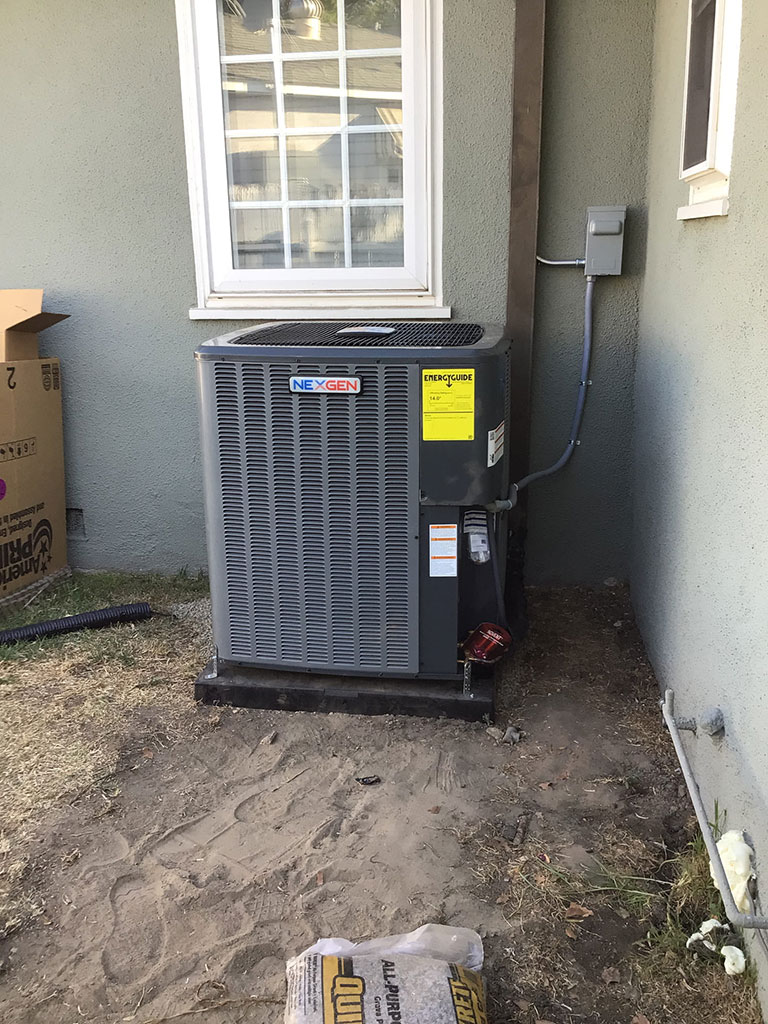
Your condensing unit serves a similar purpose as your evaporator coil but you can find the condensing unit outside, usually on the side of your house. However, as the evaporator coil absorbs heat, the condensing unit gives off heat (think of it as the exhaust pipe for your home when you’re trying to cool it).
If your AC unit doesn't look as clean as this, it's time to schedule an HVAC installation.
#7 What are Refrigerant Tubes?
Refrigerant tubes connect your evaporator coil to your condensing coil. Refrigerant tubes are typically made of metal and are designed to hold refrigerant and to connect the indoor and outdoor units.
#8 What is a Thermostat?
Your thermostat is that little device mounted on the wall somewhere inside your house that allows you to control your home’s temperature (don’t ask us where to find your thermostat, there’s not really a rule as to where they’re placed - they could be anywhere!). Did you know you can get a smart Wi-Fi connected thermostat that allows you to program the temperature of your home from your phone?
There's more than just Nest when it comes to smart, wi-fi connected thermostats. Stay connected to your home with your smartphone!
#9 What is Ductwork?
Your home’s ductwork is what allows the conditioned air from your furnace or AC unit to be distributed around your house. Ductwork in Southern California homes is usually found overhead, running through attic and ceiling space.
#10 What are Vents?
Air vents allow your heated or cooled air to enter your living space from the ductwork.
#11 What is a Heat Pump?
A heat pump works for both heating and cooling. In the summertime, heat pumps pump hot air out of your home, and in winter, heat pumps do the exact opposite.
HVAC Tips for Homeowners
This section is mainly directed at new homeowners seeking HVAC advice but it applies to all homeowners.
#12 You Should Know What Type of HVAC System You Have.
If you’re a new homeowner, you need to know what kind of HVAC system you have. The typical system is a central air conditioning system which has all of the components listed above in our HVAC tips for Beginners section. Your home could also have a ductless mini-split system or even a window-attached wall unit (yikes!). You should also know whether your furnace is electric, or natural gas, or if your home uses a heat pump or boiler system.
#13 Change Your Air Filters Regularly.
If you’ve just moved into your home, change the air filter. Your home was most likely listed for a few months before you purchased it, and even though the air conditioner probably wasn’t running all that often, it’s still a good idea to start with a fresh clean air filter.
#14 Make Sure Your Condenser Unit is Clear of Debris.
Your condenser is usually in your side yard and is easily forgotten. Over time, shrubs and debris can grow or build up around your unit, limiting its airflow, and making it work harder to cool your home.
#15 Don’t Close Your Vents.
Many new homeowners are guilty of this one. In order to save energy, homeowners close the vents in rooms they don’t use thinking it will save them energy. In reality, this actually makes your HVAC system less efficient. Heat likes to distribute itself evenly within an object. When that object is your home, heat will get into that closed-vent room anyway, but it means your HVAC system will work harder in order to create an even temperature around the house.
Keeping air vents open allow for equal temperature distribution throughout your home and keeps your HVAC system running efficiently. Bonus points for keeping your vents clean to avoid allergies and blockages.
#16 Clean Your Ductwork.
Did you know most home inspectors don’t check ductwork? What this means for a new homeowner is that you won’t know if your ducts are dirty or in need of repair. If your home seems dusty, or you notice your HVAC system making loud noises as if it is working harder than it should, you should check your ducts. Chances are, they’re just dirty, but on the off chance that your ducts are leaking air, you need to make sure to call an HVAC technician to patch or replace your ducts.
#17 Start Building a Relationship With Licensed Contractors.
As a new homeowner, you can’t rely on your parents or your landlord to fix any appliance issues in your home - that’s your responsibility now. Unless you work as a contractor, chances are you don’t have a strong relationship with one. This goes for all home improvement contractors, but trust us when we say that your HVAC contractor should be top of the list. HVAC systems have a lot of small moving parts and play a huge role in your home’s comfort. The most common home issue is related to HVAC so make sure you’re not calling a stranger when you need to service your air conditioning or heating unit. A strong relationship with an HVAC contractor will save you thousands during the duration of your homeownership and your contractor will be very familiar with your home, your HVAC system, and your expectations for price and service.
Watch this: Here's a great example of a reputable HVAC company that you'd want to build a relationship with. If you live in the Los Angeles, Orange County, or Palm Desert areas, find an HVAC company like NexGen.
Bonus: Learn What a Manual J is.
Manual J is the calculation used to make sure you’re getting the right size HVAC system for your home. It’s a very complicated calculation and we don’t expect you to know how to do one, but you should definitely expect your HVAC contractor to know how to do it. Running a manual J for your new home is extremely important so that you can install the right HVAC system, otherwise, your system may not run efficiently or have trouble heating or cooling your home.
HVAC Tips for Renters
As a renter, you still may want to know a little bit about HVAC units. Although your landlord should be responsible for any HVAC maintenance, you never know how long that will take.
Trust us:
The last thing you want is to be waiting on your landlord’s response while your home turns into an oven.
#18 Clean Your HVAC Unit.
This goes without saying, but sometimes it’s easy to forego proper maintenance on an HVAC unit when it’s not actually your HVAC unit. Clean your HVAC unit when you move into your new rental. Make sure the air filter is clean and make sure all the moving parts are lubricated and operating smoothly.
#19 Renters Should Take Photos of Their HVAC System.
As soon as you move in, take photos of your furnace, condenser, vents, and even ducts if you have access to them. This gives you some photo evidence for your landlord in case there’s ever an issue with your HVAC unit down the line.
#20 Close Your Gas Valve.
If your furnace runs on natural gas, make sure you close your gas valve in the summer when you don’t need to heat your home. Natural gas can leak from your unit and can become a dangerous situation. If you’re renting a home and are not familiar with the maintenance history of said home, it’s best to be on the side of caution.HVAC Tips for Summer
You wouldn’t believe how many times we’re asked about the best energy-saving tips for summer or summer thermostat settings. No, there isn’t really an ideal AC temperature to save electricity, but here are some summer HVAC tips that we know will help you maximize your HVAC efficiency. Here are our seasonal HVAC tips for summer.
#21 Clean Your Vents.
Southern California areas like Los Angeles, Orange County, and especially Palm Desert have mild winters. This means you’re probably not using your HVAC unit at all, allowing your vents to accumulate a lot of dust. Before it gets hot enough to have to turn on your AC, you should do a quick checkup on your vents and vacuum off any dust that has accumulated.
#22 Invest in a Smart Thermostat.
If you live in Los Angeles, Orange County, or Palm Desert, you know summers get HOT! Not only that, but Southern California has some of the most expensive electrical costs in the country. Investing in a smart thermostat can add peace of mind when it comes to staying cool as well as saving money because your thermostat can be programmed to maximize your HVAC unit’s efficiency.
Ever wonder what all the hype is about smart thermostats? Wi-fi connected thermostats, also known as IoT thermostats (Internet of Things), can save you a lot of money on utility bills and offers you a greater level of control over your home's climate.
#23 Schedule a Tune-up.
Your AC unit will be working its hardest during the summer. Make sure you call an HVAC technician to give it a quick tune-up before you fire it up and run it all summer long. The last thing you want is to find out your HVAC unit isn’t working on the hottest day of the year.
HVAC Tips for Spring
If you’re into spring cleaning, add HVAC maintenance to the top of your list!
#24 Check Your AC’s Drainage Hole.
Most air conditioners have a drainage hole for fluid buildup from condensation to clear out. If your drainage hole is clogged up, you may end up with a lot of water buildup and a damaged AC unit.
#25 Don’t Forget About Your Dehumidifier.
If you live in a humid climate, your dehumidifier is your best friend. Spring is a good season for performing preventative maintenance on your dehumidifier. Take the case off of your unit and let it dry out completely. Take the extra step to vacuum it to make sure its extra dry and free of debris to make sure it stays working properly.
#26 Keep Your Windows and Doors Closed.
We get it. Springtime in Southern California is beautiful and all you want is to let some fresh air into your home. Just remember, spring is also allergy season and if your doors and windows are left open, you’re welcoming all of those allergens into your home. If you absolutely must have those windows and doors open, however, we recommend investing in a high-quality air purifier.
HVAC Tips for Winter
#27 Add Some Insulation to Your Home.
Your HVAC system works really hard to warm up your home. If you live in Los Angeles, Orange County, or the Palm Desert areas (or anywhere in Southern California for that matter), you get how chilly winter can get. If all the heat that your furnace generates escapes your home, why even bother with heating your home? Invest in some quality insulation to get the best HVAC heating experience in winter.
(That pink stuff is insulation. If your attic doesn't look like this, it may need some more insulation, or else your HVAC unit won’t work as efficiently).
#28 Cover Your Outdoor AC Unit.
You’re most likely not blasting the AC in wintertime. To make sure your dormant outdoor AC unit stays in top shape, consider covering it up to protect it from any unforeseen damage.
#29 Schedule a Furnace Maintenance.
Remember when we said to build a good relationship with the best local HVAC contractor you can find? Here’s where it comes in handy. Call up your local HVAC technician and do a quick checkup on your furnace. If your furnace has been off all year, you may want to do a small tune-up before keeping it on all winter long.
HVAC Tips for Technicians
Yeah, we even have tips for HVAC technicians too! Sure, we're one of the best HVAC companies in Orange County, but we’d like to think we’re the best contractors because we share the love. Here are a few tips that we use to best serve our customers.
#30 Put Yourself in Your Customer’s Shoes When Servicing Their HVAC Unit.
This isn’t some feel-good ethics lecture. It’s important to understand exactly what your customer needs when it comes to their air conditioning or furnace needs. Think about it, you’re an expert HVAC contractor - you know exactly how to explain what’s wrong with an HVAC system. Your customer may not know the best way to explain what wrong with their HVAC unit and you need to put yourself in their shoes to best serve their heating and cooling needs.
#31 Don’t be Afraid to Call for Help.
This is a no-brainer if you’re an HVAC apprentice, but for those HVAC contractors with years of experience, it may take a hit on your pride. Remember, at the end of the day, the worst mistake you can make is not serving the customer right. Make sure you earn that 5 star review on yelp for being the best HVAC contractor by calling for help or reading up on the top HVAC tips and tricks!
Hey look! it's some of the smartest, most experienced HVAC technicians in Orange County! Keep it up!
Call NexGen Today
Our expertise and commitment to customer satisfaction make us the leading HVAC company in Southern California. To learn more about our equipment, services, and protection plan, book an appointment online or call 888-277-0415.
The Best Air Conditioner For Coastal Climates
There are so many benefits to living near the ocean. You enjoy great weather nearly year-round, you get to experience that pleasant ocean breeze, and the sunsets are always gorgeous. However, there’s a disadvantage: corrosion. That same ocean breeze brings salt on the air, which settles on the outdoor portion of your air conditioning unit. Over time, this can quickly ruin your system. Here are some ways to avoid that problem.
Buy a Coastal Region Air Conditioner
The biggest concern for your air conditioning unit when it’s near the ocean is the condenser coil. A condenser coil is usually made of aluminum or copper, with a protective oxide layer. Constant exposure to salt in the air erodes this layer, and then the metal itself, leading to costly air conditioning repairs. Instead, some air conditioning units use condenser coils, and other components, specifically designed for the salty air. They are less likely to erode, meaning your unit lasts much longer. Ask about our coastal air conditioning units today.
Rinse Your Condenser Coils
If you don’t have a coastal weather-specific unit, or if you’re trying to help your current unit last as long as possible before the upgrade, there are a few things you can do. One temporary solution is to rinse your condenser coils. This washes off the salt and prevents the salt from corroding your system. Simply spray down your outdoor unit with a hose each morning. Just be sure to turn off your thermostat so you don’t buy phentermine online trigger the unit to turn on. However, constant spraying can wear down the unit in other ways--you’ll eventually need to replace the unit, but this simple step could add several years to its life.
Get Regular Air Conditioning Maintenance
Though air conditioning maintenance is always a good idea, it’s especially necessary when you live near the coast. A certified HVAC contractor will check components like your condenser coils for erosion, while also inspecting pieces like your air filter. They will also check the unit for necessary cleaning, and keep an eye out for any upcoming issues or repairs. Regular maintenance can mean the difference between a unit that dies on you after a couple of years and a unit that lasts a decade.
Place Your Outdoor Unit Wisely
Lastly, be careful about where you place your outdoor unit. Ideally, it should sit somewhere that doesn’t get directly hit by winds. It should also never be in direct sunlight if you can avoid it, and it’s even better if it’s protected from rain. Though salt will always be present in the air if you live near the coast, blocking the breeze can slow the corrosion process.
A little air conditioner maintenance is a small price to pay to live near the ocean. At NexGen Heating and Air, we’re here to help you find the best product for your situation and to help your current unit perform as well as possible. Contact us today to make sure your air conditioner is ready for that ocean breeze.
Call NexGen Today
Our expertise and commitment to customer satisfaction make us the leading HVAC company in Southern California. To learn more about our equipment, services, and protection plan, book an appointment online or call 888-277-0415.
* Angels, Angels Marks, and Los Angeles Angels of Anaheim are registered trademarks of Angels Baseball LP.
*Cannot be combined with any other offers. Some Restrictions apply. Plus Tax. Financing Available on Approved Credit. Lifetime Guarantee only valid if you stay on the X Protection Plan. On ductless mini-split, offer only valid on basic 12k unit. Images may not reflect actual product. Filling out a form or booking a service places you in our remarketing database. You may receive advertising via text or email campaign. To opt out unsubscribe or reply stop to quit. **Only on repairs more than $350 and must be present at time of purchase.